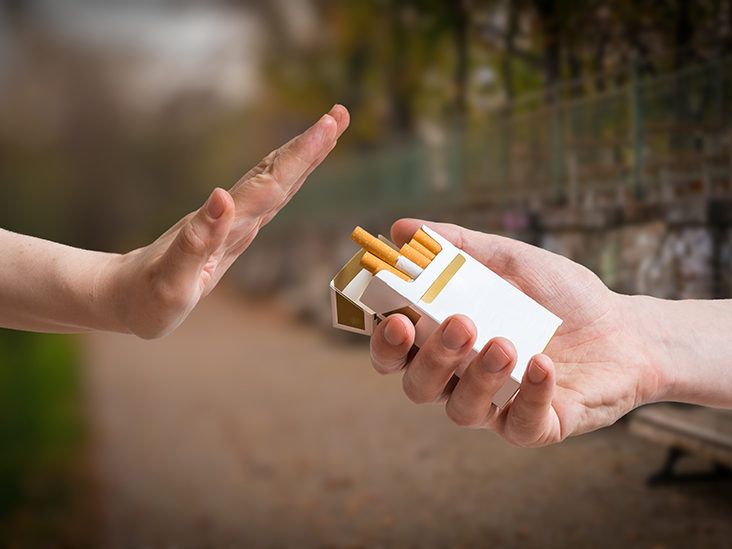
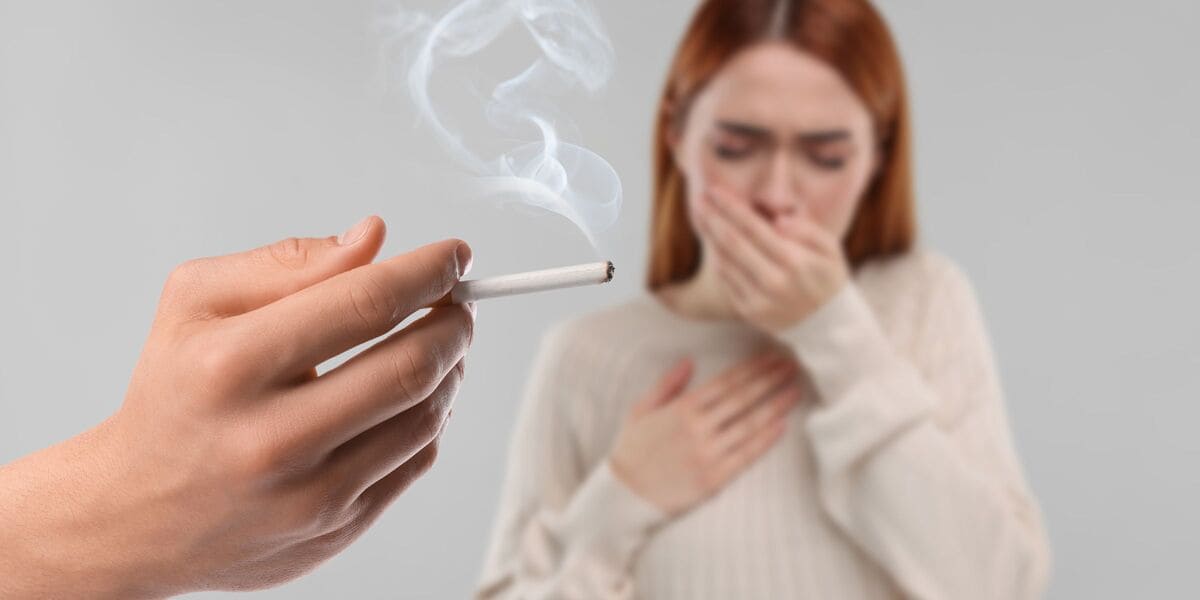
Usually, a mouth sore might develop if you: bite your tongue, cheek, or lip burn your mouth experience irritation from a sharp object, such as braces, a retainer, or dentures brush your teeth too hard or use a very firm toothbrush use chewing tobacco or smoke cigarettes have the herpes simplex virus Occasionally, mouth sores are the result of or a reaction to the following: over-the-counter or prescription medications, such as antibiotics or corticosteroids gingivostomatitis infectious mononucleosis oral thrush hand, foot, and mouth disease radiation or chemotherapy autoimmune disorders bleeding disorders cancer celiac disease bacterial, viral, or fungal infection a weakened immune system due to AIDS or a recent organ transplant You can usually tell that you have a mouth sore without needing a healthcare professionals diagnosis
Physiological and behavioural effects of imidacloprid on two ecologically relevant earthworm species (Lumbricus terrestris and Aporrectodea caliginosa)
Well, its hard to say because it depends on the individual
It perfectly captures that overwhelmed, world-weary sentiment we all feel sometimes