Some individuals may also consume fewer foods naturally rich in B12, especially if their diet changes significantly
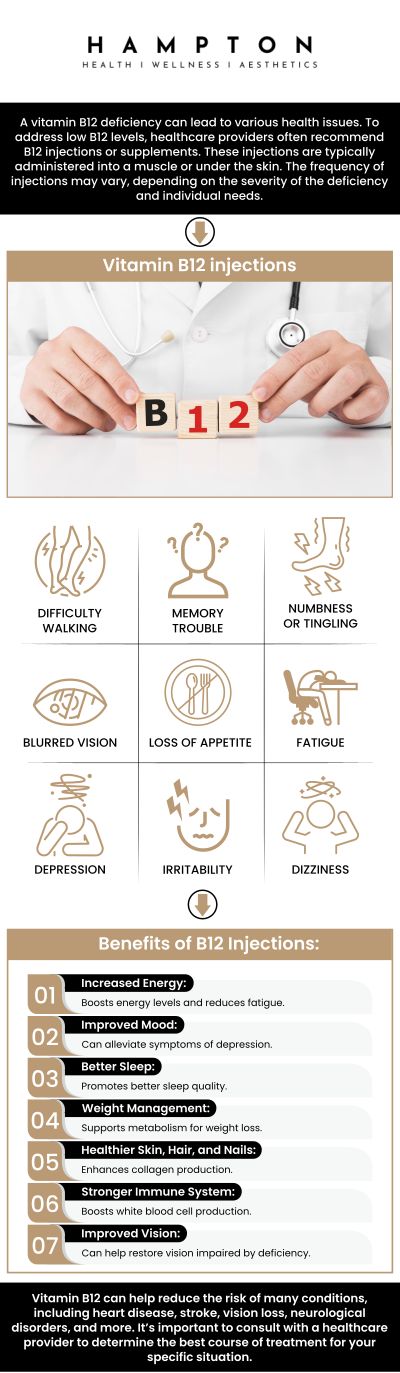
Vitamin B12 plays a role in several key processes, including: Supporting red blood cell production Maintaining nerve health Assisting with energy metabolism Supporting brain function and focus Because vitamin B12 is water-soluble, the body uses what it needs and eliminates the rest
For example, hypervitaminosis A can be caused by taking one large dose of over 200 mg of vitamin A, or chronic use of more than 10 times the recommended daily intake ( Vitamin A toxicity may lead to serious complications, such as increased spinal fluid pressure, coma, and potentially fatal organ damage ( Additionally, taking megadoses of vitamin D more than 50,000 IU daily over long periods can lead to high blood levels of calcium (hypercalcemia), which can lead to death ( Overdosing on other vitamins can likewise cause potentially fatal side effects, such as liver damage
Geriatric Dosing Considerations Older adults often have health issues and take many medicines