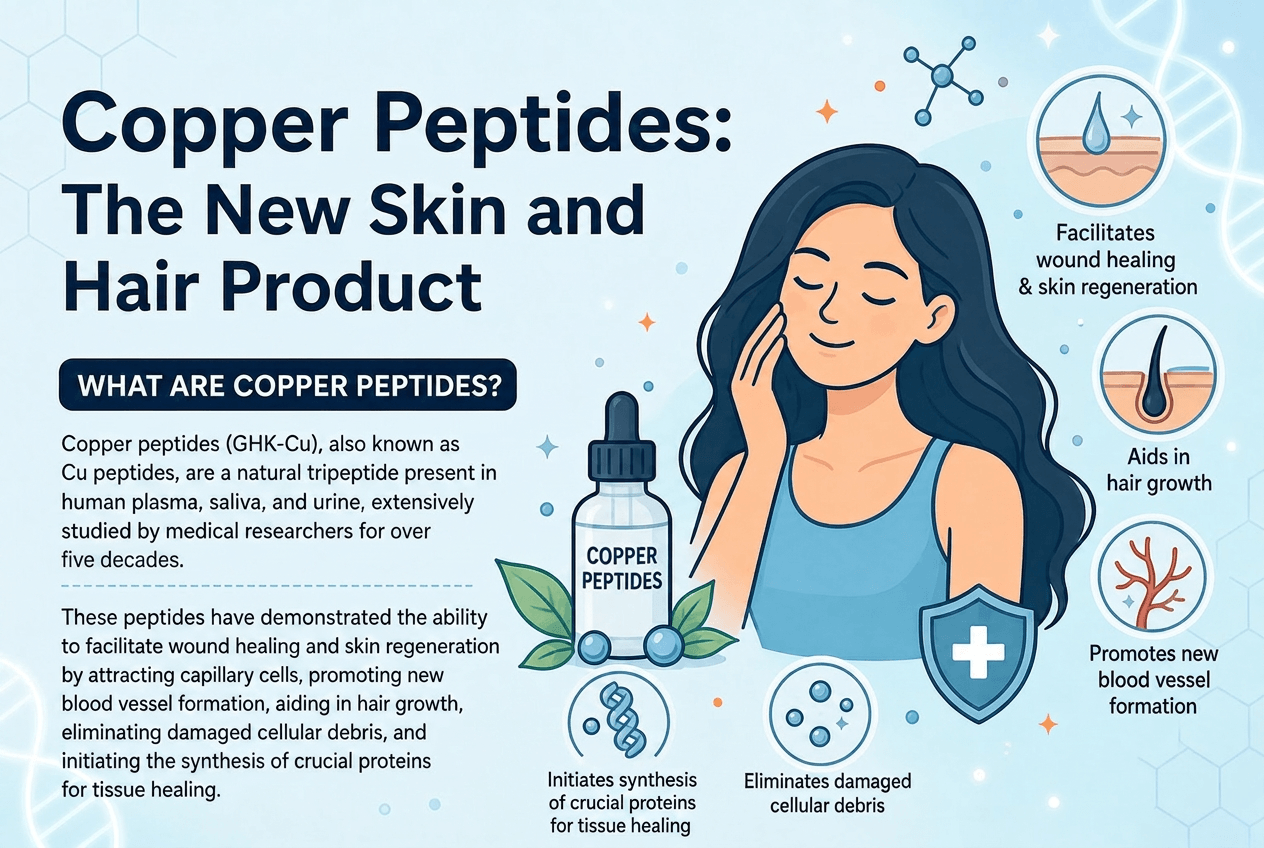
Each component is studied in experimental systems for roles relevant to tissue repair, extracellular matrix regulation, angiogenic signaling, and inflammatory modulation

Other neurodegenerative diseases and conditions that have dementia or dementia-like symptoms include: Argyrophilic grain disease Creutzfeldt-Jakob disease (CJD) Chronic traumatic encephalopathy (CTE) Huntington's disease HIV-associated dementia (HAD) Secondary dementias due to multiple sclerosis, meningitis, encephalitis, Wilson's disease, and brain tumors Some reversible causes of dementia-like symptoms include: Alcohol or substance use disorder Side effects of some medications Tumors Subdural hematomas, blood clots beneath the outer covering of the brain Normal-pressure hydrocephalus, a buildup of fluid in the brain Metabolic disorders, such as a vitamin B12 deficiency Low levels of thyroid hormones, called hypothyroidism Low blood sugar, called hypoglycemia Vasculitis (inflammation of the blood vessels in your brain) Chronic infections Mixed dementia Some people live with more than one type of dementia at a time
Key Takeaway: The most successful BPC-157 users treat the protocol as an opportunity to heal rather than permission to ignore the injury
Small studies are poorly suited to detecting uncommon harms, long-term effects or problems linked to different products and administration routes